
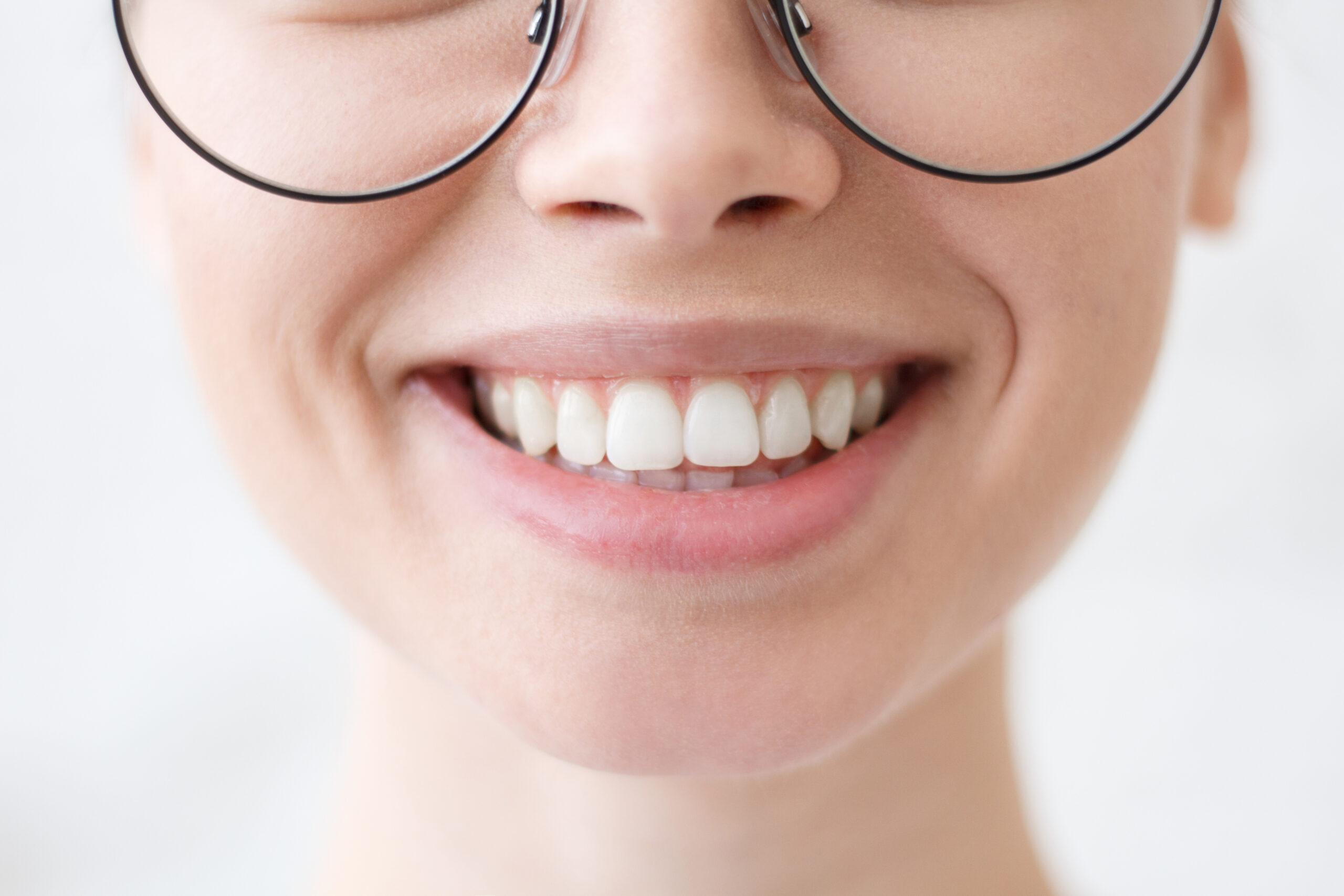
A small chip, a narrow gap, or an uneven edge can change how comfortable you feel when you smile, even when the rest of your teeth are healthy. Cosmetic bonding is a minimally invasive way to refine these minor details using tooth-colored resin that is shaped and polished to blend with your natural teeth. For some people, it may be a simple step toward a smile that feels more polished and more like their own.
At Sopris Smiles in Englewood, we take the time to learn about your concerns and goals before talking through options. Our approach to cosmetic dentistry considers both how your teeth look and how they function, so every recommendation fits your whole mouth and your overall health.
What Cosmetic Bonding Can Do for Your Smile
Cosmetic bonding, sometimes called composite or tooth bonding, uses a putty-like resin that is molded onto the tooth, hardened with a special light, and polished. Because the material matches your natural shade, it can help refine minor flaws without changing your whole smile. Dentists commonly use bonding to:
- Change tooth shape: Smoothing or rounding an edge that looks uneven
- Close small gaps: Adding resin to narrow the space between teeth
- Conceal chips and minor cracks: Restoring a more even edge
- Hide discoloration: Covering a spot that does not match the rest of the tooth
- Make teeth look longer: Adding length to teeth that appear short
According to Cleveland Clinic’s overview of dental bonding, treatment usually takes about 30 to 60 minutes per tooth and is completed in a single office visit. The same overview notes that the material typically lasts 3 to 10 years before a touch-up or replacement, depending on factors such as your habits and how many teeth were treated.
What the Bonding Process Looks Like
Bonding generally begins with choosing a resin shade that matches your natural teeth. A similar tooth-colored resin is used for tooth-colored fillings. Next, the tooth surface is lightly roughened and treated with a liquid so the resin sticks. The resin is then molded into shape, hardened with a curing light, and polished to a natural shine.
Bonding is painless and typically requires no downtime, so you can return to your normal activities afterward. Some people notice short-term sensitivity, and we can walk you through what to expect so you feel at ease.
How Bonding Compares With Veneers
Bonding and porcelain veneers both improve the look of your smile, but they work differently. Veneers are custom-made ceramic shells that cover the front of your teeth and usually require removing some enamel, so they aren’t reversible. Bonding generally does not require significant enamel removal, so it can be reversed if your goals change.
Bonding is best suited to small cosmetic changes. It is somewhat stain-resistant, but it does not resist stains as well as porcelain, and it can chip over time. If your goals involve more dramatic changes, other options may be a better fit, and it helps to talk through the pros and cons of each so you feel confident in your choice.
Caring for Your Bonded Teeth
Good habits help bonded teeth look their best. Brush twice a day with a soft toothbrush and fluoride toothpaste, floss daily, and keep up with regular checkups and professional cleanings so your dentist can monitor your bonding.
Try to avoid habits like biting your nails, chewing on pens, or using your teeth to open packages, as these can chip the bonding material. Coffee, tea, and red wine can also stain the resin over time, so it’s worth being mindful of how often you drink them. If you’re considering professional teeth whitening, talk with your dentist about it before getting bonding.
The resin matches your current tooth color and won’t whiten the same way your natural teeth do. If your bonded tooth ever feels sharp or your bite doesn’t feel quite right, let your dentist know so they can make an adjustment.
Refine Minor Smile Imperfections With Sopris Smiles
If you’ve been thinking about fixing a small chip, closing a gap, or smoothing an uneven tooth, dental bonding may be worth considering. At Sopris Smiles in Englewood, Dr. Golnaz can take a closer look at your smile, listen to what you’d like to change, and help you decide whether bonding is a good fit. We’ll also explain what to expect from treatment and how to care for your results afterward.
You don’t need to know exactly which cosmetic treatment you want before coming in. We’re happy to talk through your options, answer your questions, and help you find an approach that feels right for you. Contact our team to schedule a consultation. We look forward to meeting you and hearing what you have in mind for your smile.